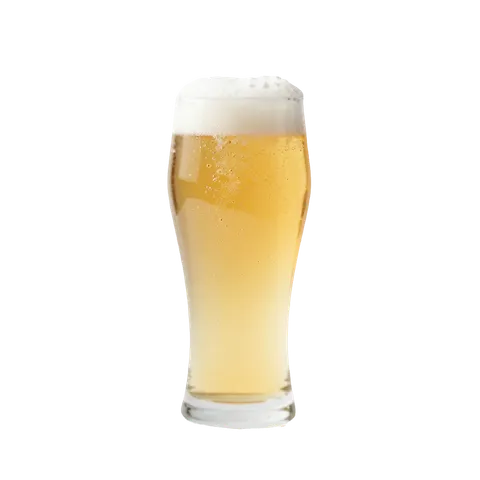
Beer: calories and nutrition facts
Calories in beer per 100 g and per typical portion, from the MacroLab food catalog. Alcohol (about 7 kcal per gram) supplies the calories that protein, carbs and fat do not explain.
43kcal per 100 g

Log it in MacroLab
4.8/5.0App Store
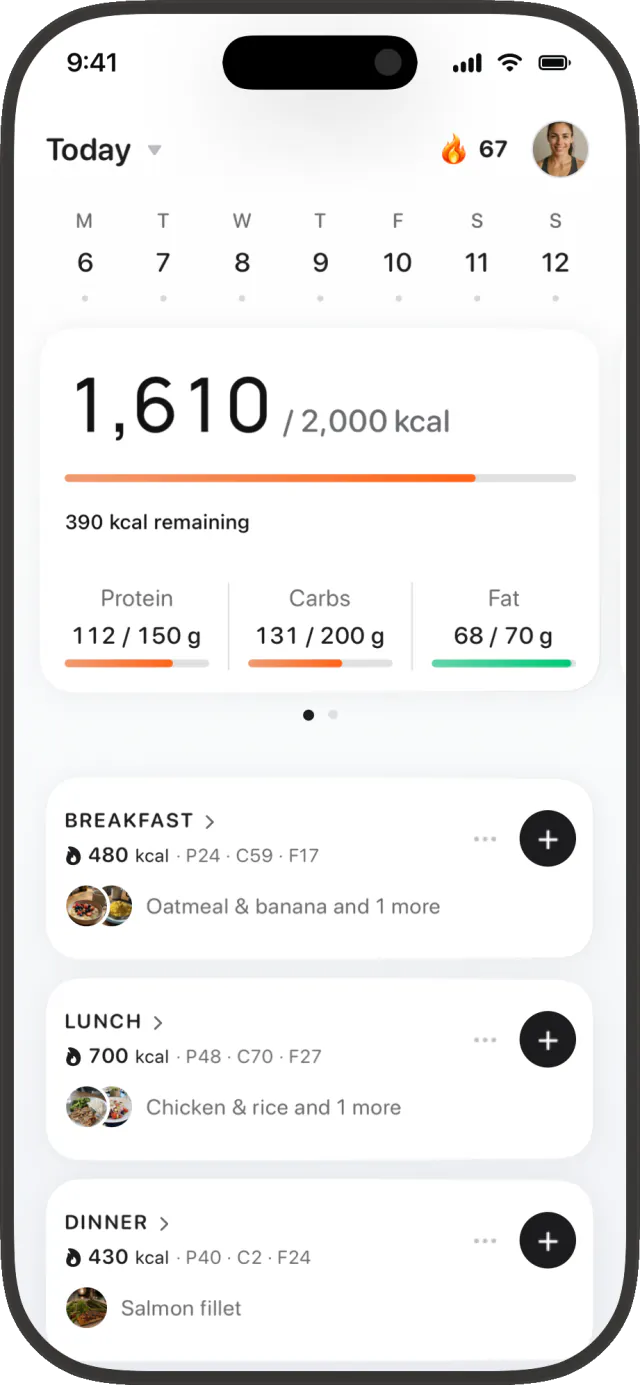
- Get your daily calorie target
- Log a meal from one photo
- Get a personalized nutrition plan
To burn these 43 calories:
- 10minWalking (5 km/h)
- 4minRunning (8 km/h)
- 5minCycling (16–19 km/h)
- 6minSwimming
Times use the MET equation for a 70 kg adult. Actual burn varies with your weight, age and pace.
Calories per portion
Common portions from the MacroLab catalog, next to the 100 g reference.
| Portion | kcal |
|---|---|
| 100 g | 43 |
| 1 can (330 g) | 142 |
Can beer make you gain weight?
Alcohol (about 7 kcal per gram) supplies the calories that protein, carbs and fat do not explain.
One can (330 g) has 142 kcal; the portion size decides how it fits your daily target.
No single food makes you gain weight. What matters is your total calories over days and weeks compared with what you burn.
Beer vs other foods in “Drinks”
It has 67% fewer calories than the average food in “Drinks” (132 kcal per 100 g).
| Per 100 g | This food | Group average |
|---|---|---|
| Energy | 43 kcal | 132 kcal |
Related foods


Frequently asked questions
- How many calories are in 100 g of beer?
- 100 g has 43 kcal. That means about 233 g for every 100 kcal. Alcohol (about 7 kcal per gram) supplies the calories that protein, carbs and fat do not explain.
- How many calories are in one can of beer?
- One can (330 g) has 142 kcal.
Log beer with a photo in MacroLab
Snap your plate and MacroLab estimates calories and macros, then keeps your daily targets up to date.
Data from the MacroLab food catalog, updated September 26, 2026. Values vary by variety and brand; check the label of the product you buy.